
Personalization in Marketing: Why It Matters
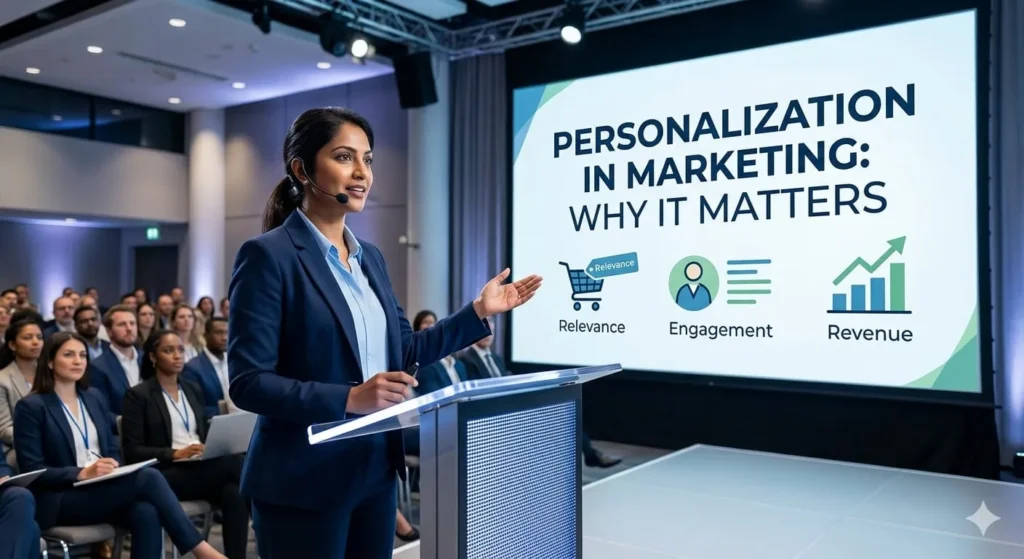
In today’s fast-paced digital world, consumers are constantly exposed to advertisements, emails, and brand messages. With so much noise, generic marketing no longer captures attention the way it once did. This is where personalization in marketing becomes essential. Personalization is the practice of tailoring marketing messages, content, and experiences to individual customers based on their preferences, behavior, and data. It transforms how brands communicate and build relationships with their audiences.
What is Personalization in Marketing?
Personalization in marketing involves using customer data to deliver relevant content and experiences. This can include addressing customers by their names in emails, recommending products based on past purchases, or showing ads based on browsing behavior. It goes beyond simple customization and focuses on creating meaningful, one-to-one interactions between brands and customers.
For example, when a customer visits an e-commerce website and sees product recommendations that match their interests, that is personalization in action. It makes the shopping experience smoother, faster, and more engaging.
Why Personalization Matters
1. Enhances Customer Experience
One of the biggest advantages of personalization is that it improves the overall customer experience. When customers receive content that is relevant to their needs, they feel understood and valued. This leads to higher satisfaction and a stronger emotional connection with the brand.
Instead of seeing random products or irrelevant ads, customers are presented with options that match their preferences. This saves time and makes their journey more convenient.
2. Increases Engagement
Personalized marketing significantly boosts engagement rates. Emails with personalized subject lines are more likely to be opened, and tailored content often receives more clicks and interactions. When customers feel that a brand understands their needs, they are more likely to engage with its content.
For example, sending targeted offers based on customer behavior can encourage them to take action, whether it’s making a purchase, signing up for a service, or exploring more products.
For example, sending targeted offers based on customer behavior can encourage them to take action, whether it’s making a purchase, signing up for a service, or exploring more products.
3. Builds Customer Loyalty
Customers are more likely to stay loyal to brands that provide personalized experiences. When a brand consistently delivers relevant content and understands customer preferences, it builds trust over time.
Loyal customers not only return for repeat purchases but also recommend the brand to others. Personalization helps create long-term relationships rather than one-time transactions.
4. Improves Conversion Rates
Personalization directly impacts conversion rates. When customers see products or services that match their needs, they are more likely to make a purchase. Personalized calls-to-action, recommendations, and offers can guide customers through the buying journey more effectively.
For instance, showing “recommended for you” products based on browsing history can increase the chances of conversion compared to generic product displays.
5. Better Use of Customer Data
Modern marketing relies heavily on data, and personalization allows businesses to make the most of it. By analyzing customer behavior, preferences, and purchase history, marketers can create targeted campaigns that deliver better results.
Data-driven personalization ensures that marketing efforts are not wasted on irrelevant audiences. Instead, it focuses on delivering value to the right people at the right time.
Types of Personalization
1. Email Personalization
Using the customer’s name, sending tailored offers, and recommending products based on past behavior.
2. Website Personalization
Displaying different content, banners, or product suggestions based on user activity and preferences.
3. Product Recommendations
Suggesting items based on browsing history, previous purchases, or similar customer behavior.
5. Location-Based Personalization
Delivering content or offers based on the customer’s geographic location.
4. Behavioral Targeting
Showing ads and content based on user actions, such as pages visited or items added to the cart.
Challenges of Personalization
While personalization offers many benefits, it also comes with challenges. One of the main concerns is data privacy. Customers are becoming more aware of how their data is used, and brands must ensure transparency and compliance with privacy regulations.
Another challenge is maintaining accuracy. Poorly executed personalization, such as irrelevant recommendations, can frustrate customers instead of engaging them. Therefore, businesses need reliable data and effective tools to implement personalization successfully.
The Future of Personalization
The future of personalization is driven by advanced technologies like artificial intelligence and machine learning. These technologies enable real-time personalization, predictive recommendations, and more accurate targeting.
As technology evolves, personalization will become even more sophisticated, allowing brands to create highly tailored experiences across multiple channels. Customers will expect brands to understand their needs instantly and provide seamless, personalized interactions.
Conclusion
Personalization in marketing is no longer a luxury—it is a necessity. In a competitive digital landscape, brands must go beyond generic messaging to connect with customers on a deeper level. By delivering relevant content, improving customer experiences, and building strong relationships, personalization helps businesses stand out and achieve long-term success.
Investing in personalization is not just about increasing sales; it’s about creating meaningful connections with customers that drive loyalty and trust. As customer expectations continue to rise, personalization will remain a key strategy for modern marketing success.